

 See My Latest Article on HelloNation

What neighborhood features tend to support property value?
Neighborhood features that improve daily convenience, safety, appearance, and long-term livability can make homes more appealing to a wider range of buyers. In Monroe, these factors often matter alongside the condition, size, and location of the individual property.
A desirable neighborhood does not need to be new or highly developed. Older areas can remain competitive when they offer mature trees, well-maintained streets, useful community spaces, and housing that fits changing household needs. The strongest value-supporting features are usually those that residents can use regularly rather than amenities that look impressive but have limited practical benefit.
Property value is influenced by many factors, including market conditions, comparable sales, taxes, insurance, zoning, and the home itself. Neighborhood advantages may support demand, but they do not guarantee a particular sale price.
How do walkability and nearby daily destinations affect value?
Convenient access to parks, sidewalks, civic spaces, and everyday destinations can increase a neighborhood’s appeal. Buyers often consider how easily household members can take a walk, reach a community gathering space, or enjoy outdoor time without a long drive.
Walkability does not require every destination to be within a few minutes on foot. A neighborhood may still benefit from:
- Connected sidewalks or walking paths
- Safe street crossings and reasonable traffic speeds
- Short routes to parks or public gathering areas
- Streets that are comfortable for walking, jogging, or pushing a stroller
- Homes oriented toward the street rather than isolated behind large parking areas
In established parts of Monroe, mature street patterns and nearby community spaces may contribute to a stronger sense of connection. In newer neighborhoods, sidewalk continuity and careful layout can make a similar difference.
A common misconception is that walkability only matters in dense urban areas. In smaller communities, even modest improvements—such as a safe route to a park or a connected sidewalk between residential streets—can influence how useful and attractive an area feels.
Do parks, trees, and open spaces increase neighborhood appeal?
Well-maintained parks and open spaces can support value by providing recreation, visual relief, and places for neighbors to gather. Green areas may also help manage stormwater, reduce heat around paved surfaces, and make streets feel less crowded.
Trees are especially valuable when they are healthy, appropriately placed, and maintained. Mature landscaping can provide shade during hot Georgia summers and add character to established neighborhoods. However, vegetation becomes less beneficial when overgrown trees threaten roofs, power lines, foundations, or drainage systems.
Useful open-space features may include:
- Walking trails and natural areas
- Playgrounds and multipurpose fields
- Pocket parks or landscaped gathering areas
- Preserved tree canopy
- Drainage areas designed to function as attractive green space
- Public spaces that are clean, accessible, and properly maintained
The key distinction is between usable open space and undeveloped land that creates maintenance, drainage, or safety concerns. Buyers generally place greater value on areas that are clearly cared for and integrated into the neighborhood.
Why do street condition, drainage, and infrastructure matter?
Infrastructure is one of the most overlooked influences on property value. A home may have attractive finishes, but buyers are also evaluating whether the surrounding area appears dependable and well maintained.
Smooth streets, functioning drainage, adequate lighting, and reliable utilities can reduce concerns about future costs. In Monroe, seasonal heavy rain makes drainage particularly relevant. Standing water, eroded ditches, blocked culverts, and poorly directed runoff can affect roads, yards, driveways, and foundations.
Neighborhood features that tend to support confidence include:
- Streets with consistent maintenance
- Clear stormwater routes
- Sidewalks without major trip hazards
- Adequate street lighting
- Reliable water, sewer, or septic arrangements
- Roads that allow emergency and service access
- Consistent maintenance of common areas
Buyers may also review floodplain information, drainage history, easements, and planned infrastructure changes. A neighborhood’s appearance after a storm can reveal issues that are not obvious during dry weather.
Can neighborhood design and housing variety support value?
A neighborhood with a reasonable mix of housing types may appeal to more households over time. Different home sizes, lot arrangements, and price points can help a community remain useful as residents’ needs change.
For example, a neighborhood may serve young households, older residents, single-person households, and families more effectively when it includes a mixture of:
- Smaller and larger homes
- Traditional lots and low-maintenance options
- One-level and multilevel layouts
- Attached and detached housing where appropriate
- Homes near shared open space
- Housing suitable for different stages of life
This does not mean every neighborhood should contain every housing type. Compatibility matters. Poorly planned density, excessive parking, limited privacy, or incompatible building scale can reduce appeal. The strongest neighborhoods usually balance variety with a consistent sense of order.
Zoning and development rules also matter because they influence setbacks, lot sizes, building placement, land uses, and future changes. Residents evaluating a property should look beyond the current view and consider what nearby parcels may legally support.
How do safety and neighborhood maintenance influence buyers?
Perceived safety is closely tied to property value, even though it can be difficult to measure precisely. Buyers often notice lighting, visibility, traffic patterns, vacant structures, sidewalk conditions, and whether public spaces appear cared for.
A well-maintained neighborhood communicates stability. Helpful features include:
- Clear sightlines near intersections and walkways
- Adequate lighting without excessive glare
- Maintained lawns, trees, and common areas
- Limited exterior neglect
- Streets designed to discourage dangerous speeding
- Homes and public spaces that appear occupied and cared for
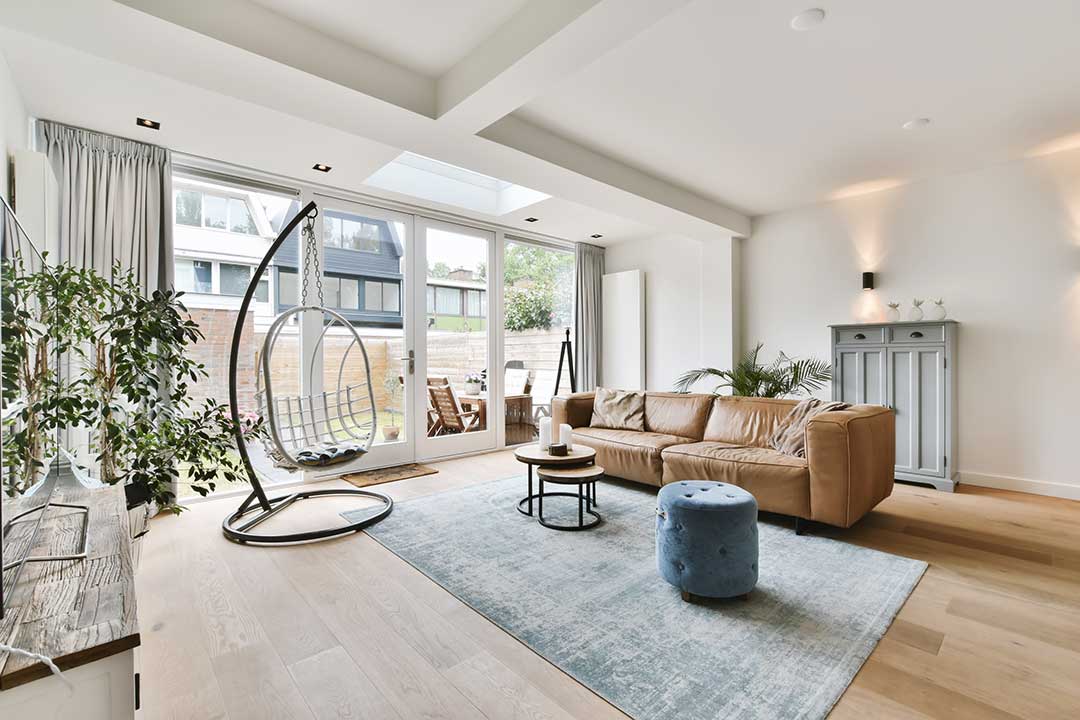
Maintenance should not be confused with uniformity. Neighborhoods can retain individual character while still benefiting from reasonable upkeep. Historic homes, varied landscaping, and different architectural styles may contribute positively when the area has a coherent overall appearance.
Does access to schools, transportation, and community services matter?
Access to schools, public services, employment routes, and transportation options can affect how practical a neighborhood is for different households. Buyers often consider travel time, road connectivity, traffic patterns, and the availability of alternative routes.
A neighborhood may be more resilient when it has:
- More than one reasonable route in and out
- Convenient access to major roads without being directly exposed to heavy traffic
- Nearby public facilities or community spaces
- Safe routes for walking or biking
- Services that support older adults and households with children
Proximity alone is not enough. Noise, congestion, poor road design, or difficult crossings may offset the benefit of being near a destination. The quality of access matters as much as distance.
Which neighborhood improvements may not increase value as expected?
Not every amenity adds equal value. Features that are expensive to build or maintain may have limited effect if they are rarely used, poorly managed, or associated with higher dues and assessments.
Potential drawbacks can include:
- Private amenities with substantial recurring fees
- Decorative features that increase maintenance costs
- Large parking areas that reduce green space
- Roads that create shortcuts for heavy traffic
- Poorly designed stormwater ponds
- Commercial or industrial activity placed too close to homes
- Amenities that are attractive but difficult to access
The best indicator is often practical usefulness. A simple, well-maintained walking route may matter more than an elaborate entrance feature. A shaded public space may provide more lasting benefit than landscaping that requires constant replacement.
How can residents evaluate neighborhood features before buying?
A property visit should include more than viewing the house. Walk or drive through the surrounding area at different times, including after rainfall if possible. Pay attention to traffic, lighting, noise, parking, drainage, sidewalks, nearby land uses, and signs of deferred maintenance.
Useful questions include:
- Is the neighborhood comfortable to navigate on foot?
- Are streets, sidewalks, and drainage features maintained?
- Could nearby vacant land be developed or rezoned?
- Are there recurring flooding, noise, or traffic concerns?
- Are common areas supported by clear maintenance arrangements?
- Would the neighborhood remain appealing if household needs changed?
For Monroe residents, the most durable value-supporting features are generally those that improve everyday function: sound infrastructure, attractive and usable open space, thoughtful development, reasonable access, and consistent maintenance. These qualities tend to remain relevant across changing design preferences and market cycles.